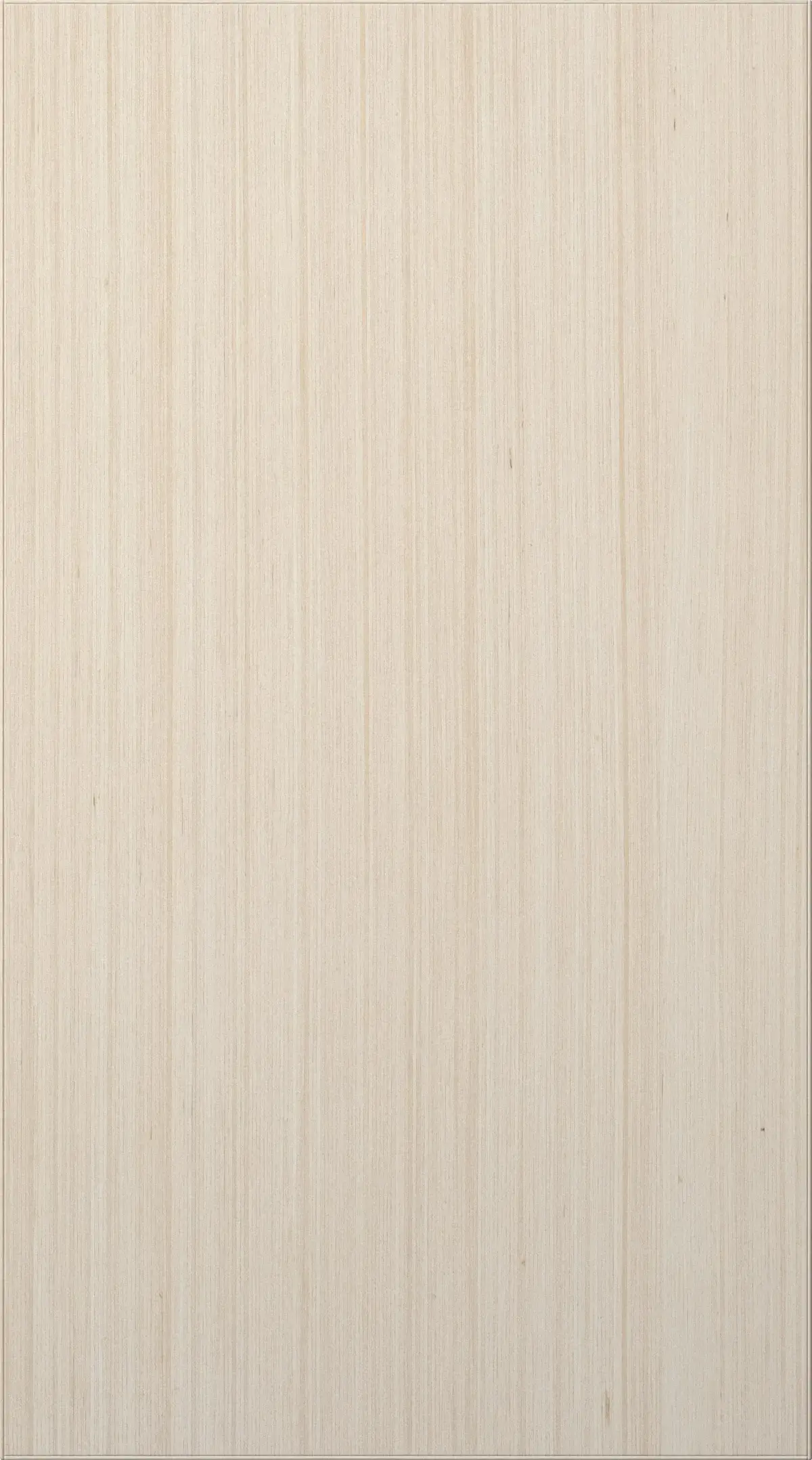

Real Wood Veneers: Natural Beauty, Used More Responsibly
Real wood veneer offers the warmth, texture, and character of genuine timber while using significantly less solid wood than an equivalent full-timber construction.
A veneer is a thin slice of real wood, carefully cut from a timber log and bonded to a stable substrate such as engineered board to create a finished panel that combines authentic natural aesthetics with practical performance.
At Sustique, we value materials that balance beauty, durability, and responsible resource use, and real wood veneer can do exactly that when thoughtfully specified.
What is Real Wood Veneer?
A real wood veneer is exactly what the name suggests, genuine timber.
Rather than using thick sections of solid wood, manufacturers cut fine slices from a log, typically fractions of a millimetre to a few millimetres thick, which are then applied to a structural panel.
This creates the visual appearance and tactile quality of real timber without requiring the same volume of raw material.
Because the visible surface is genuine wood, every veneer carries natural grain variation, tone shifts, and individual character.
No two panels are ever completely identical.
That authenticity is one of veneer’s greatest strengths.
Why Veneers Are Used in Cabinetry
Solid timber has undeniable appeal, but it also comes with challenges.
Natural wood expands and contracts with changes in humidity and temperature, which can lead to movement, distortion, cracking, or long-term instability.
Veneered construction offers a more controlled solution.
By applying real timber to a stable engineered substrate, manufacturers can achieve:
- the visual richness of natural wood
- improved dimensional stability
- better consistency
- reduced material consumption
- more efficient production
This makes veneer particularly well suited to modern cabinetry and furniture.
How Wood Veneers Are Made
The production process begins with carefully selected timber logs.
These are typically prepared and then sliced using specialist methods such as:
- rotary cutting
- slicing
- quarter cutting
- crown cutting
The cutting method influences the final grain pattern and visual character.
Once prepared, the veneer sheets are:
- dried
- graded
- colour matched where appropriate
- assembled into usable sheets
- bonded to a structural substrate
This creates a finished panel that combines structural practicality with the beauty of natural timber.
Aesthetics and Design Appeal
This is where real wood veneer excels.
Because the visible surface is genuine timber, veneers deliver:
- authentic grain patterns
- natural tonal variation
- tactile warmth
- visual depth
- timeless material character
Unlike printed imitations, real wood responds to light naturally.
The subtle movement in grain, texture, and colour creates a richness that synthetic finishes often struggle to replicate.
This makes wood veneer particularly attractive in kitchens where warmth and material authenticity matter.
Sustainability Considerations
Real wood veneer can be a significantly more resource-efficient way to enjoy natural timber finishes.
Because each log produces many thin veneer sheets rather than fewer thick solid timber boards, the available timber resource is used much more efficiently.
Sustainability benefits include:
- lower solid timber consumption
- improved raw material efficiency
- access to premium timber aesthetics with reduced material use
- compatibility with responsibly specified engineered substrates
As always, sustainability depends on specification.
Important considerations include:
- timber sourcing
- substrate selection
- adhesive systems
- emissions profile
- finish chemistry
- durability in use
A veneer applied to a poorly specified substrate with high-emission adhesives tells a very different story from a carefully designed low-emission product.
At Sustique, material systems matter, not just appearances.
Durability and Practical Performance
Veneers are often misunderstood as fragile.
In reality, performance depends heavily on specification and finish quality.
Well-manufactured veneered panels can provide excellent long-term performance when:
- bonded to stable substrates
- properly finished
- used appropriately
- maintained sensibly
Like all natural materials, timber surfaces will evolve over time.
That ageing is often part of their appeal.
The Sustique View
We believe natural materials should be used thoughtfully.
Real wood veneer offers an elegant balance between beauty and responsible material efficiency.
It allows the warmth and authenticity of timber to be enjoyed with significantly lower raw material demand than equivalent solid wood construction.
When combined with well-specified low-emission substrates and durable finishes, it can be an excellent choice for contemporary cabinetry.
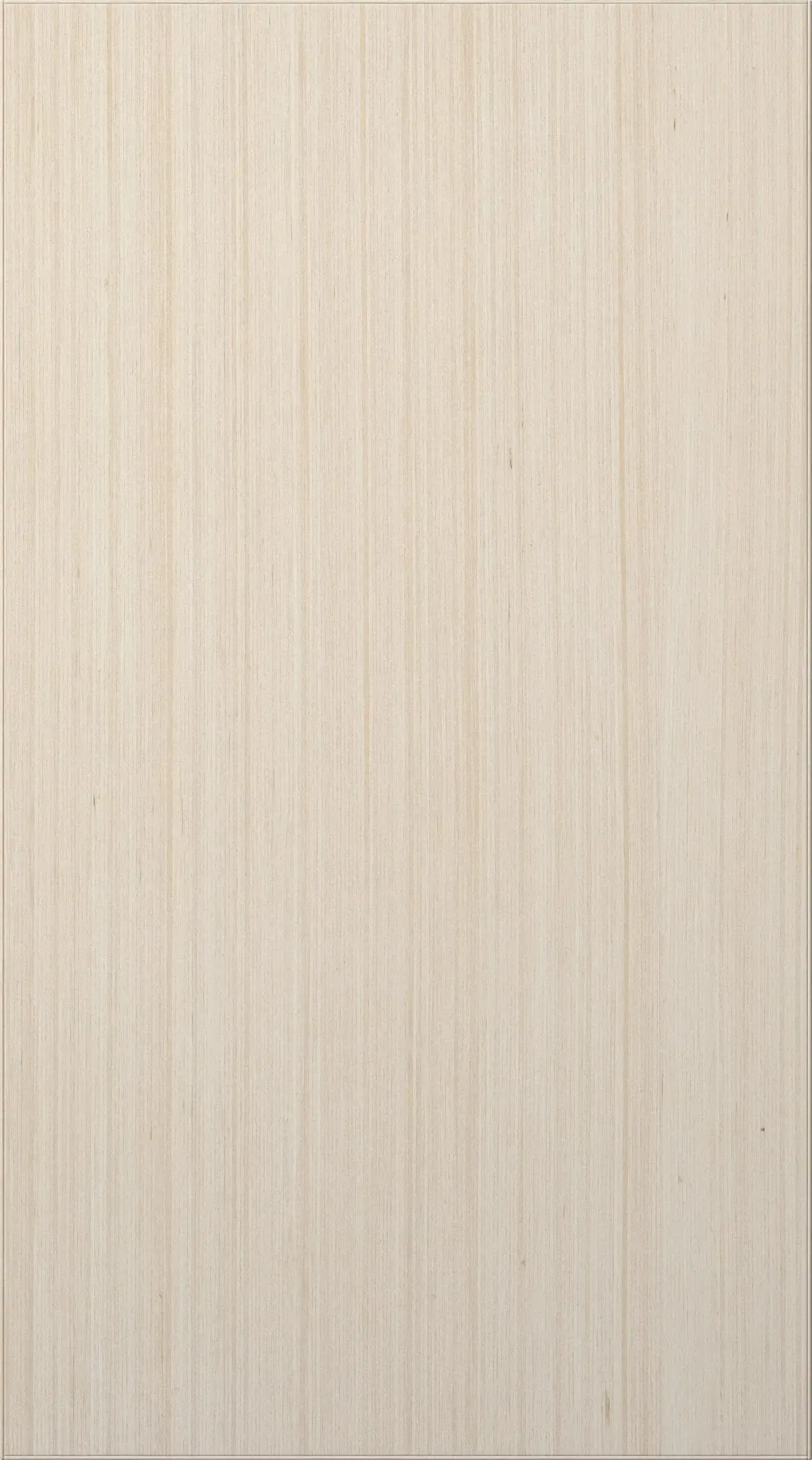
Miinus M-Classic Door TP43
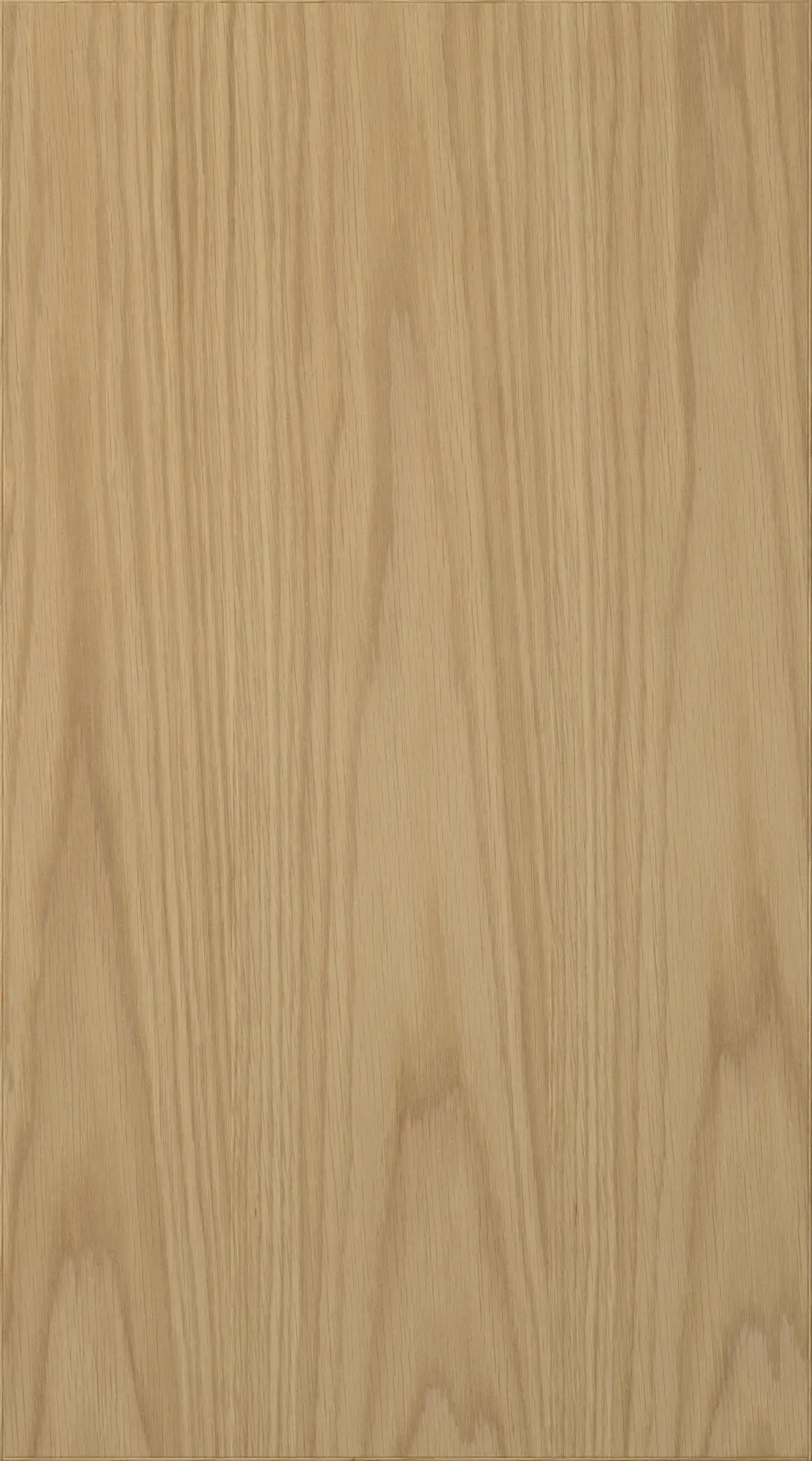
Miinus FosbART TP28
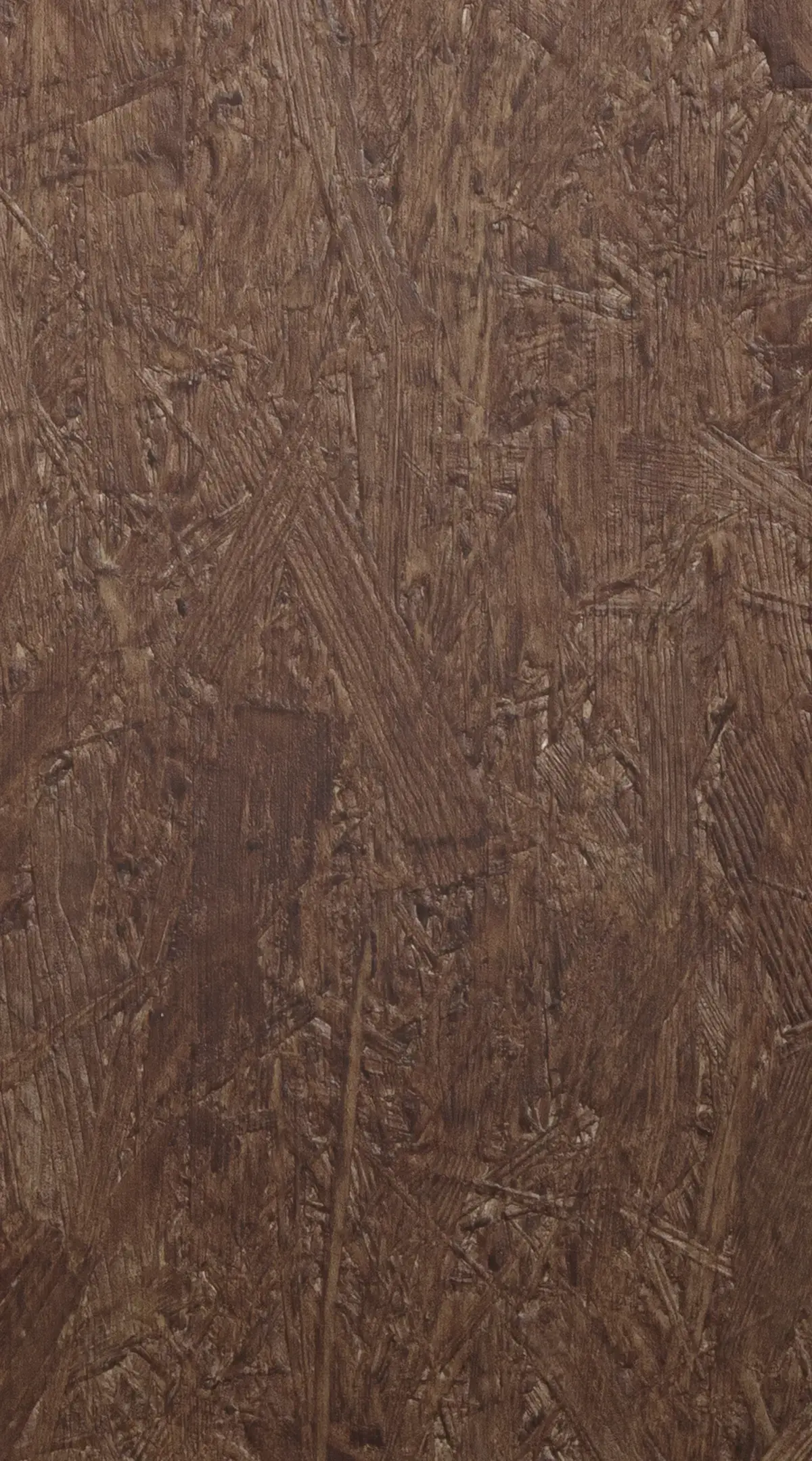
Miinus Pure TP16
Birch door, TP26P, Lacquered B1
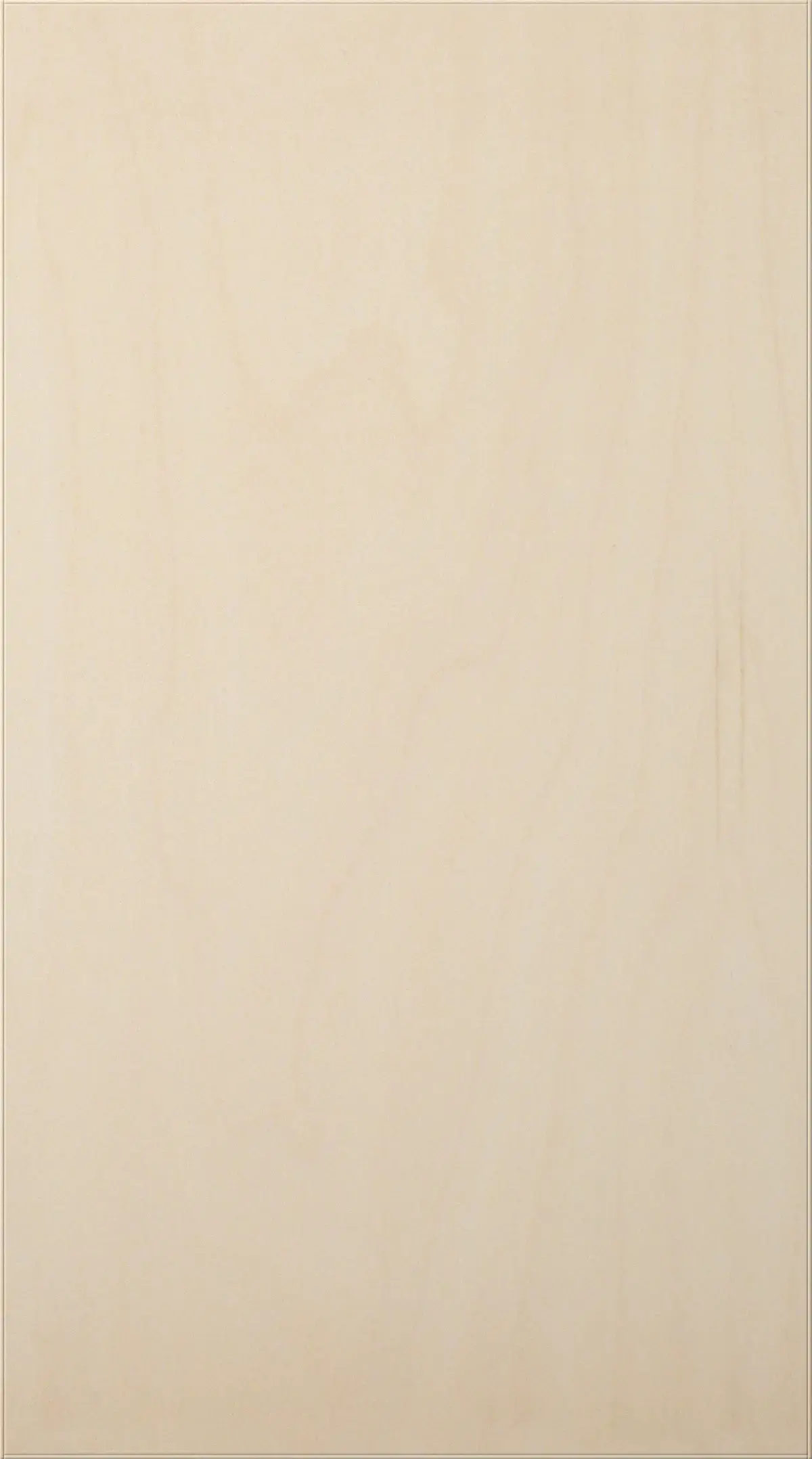
This door is made by Puustelli in Finland. It's part of the Miinus kitchen range. The door has an OSB core with a plain birch veneer face and edge. It's 23mm thick and has an M1 low-voc classification.
Oak Vertical Veneer Door, TP43P, Light Oak KF01
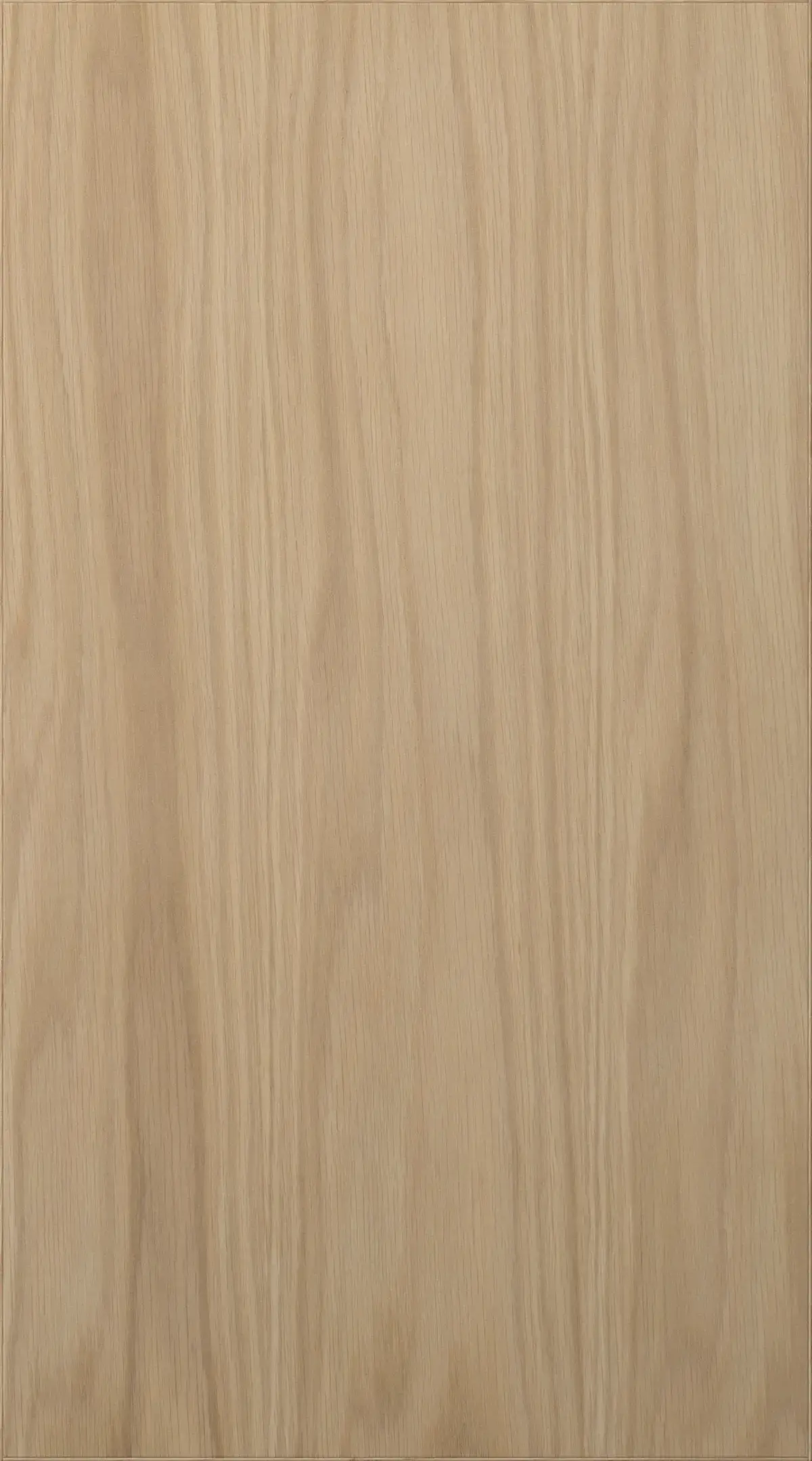
This door is made by Puustelli in Finland. It's part of the Miinus kitchen range. The door has an OSB core with an oak veneer face and edge. It's 19mm thick and has an M1 low-voc classification.
Special veneer door, TP16P, Wildbrown
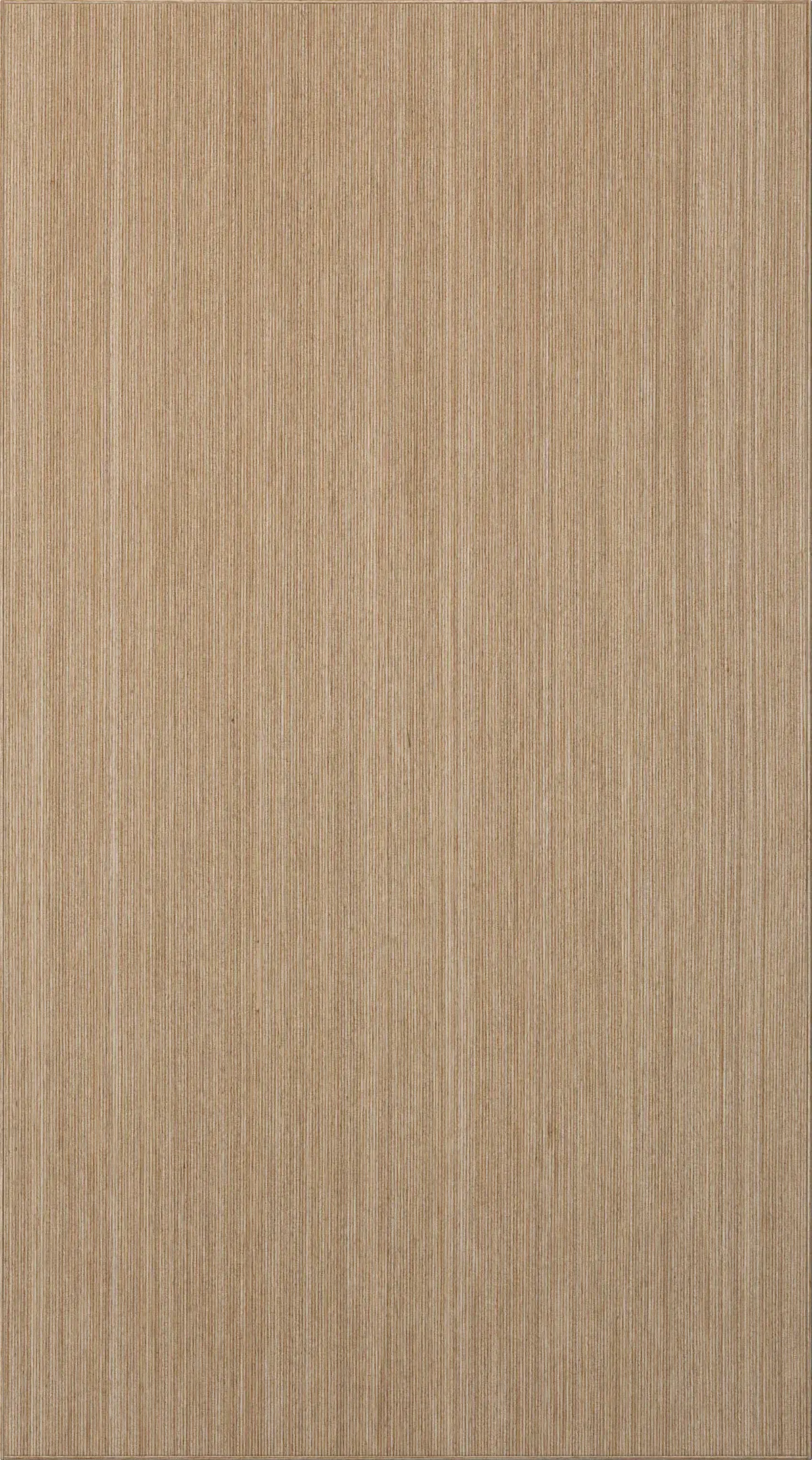
This door is made by Puustelli in Finland. It's part of the Miinus kitchen range. The door has an OSB core with a special veneer face and edge. It's 16mm thick and has an M1 low-voc classification.